
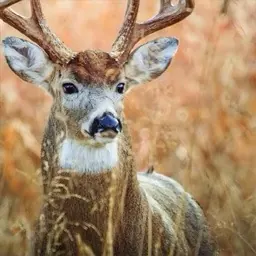
Deer Calls Guide
Deer Chase Calls: Tactics for the November Chase Phase
The first two weeks of November sound like chaos for a reason: bucks are cruising, does are breaking, and a single hot doe can drag three bucks past your stand in ten minutes. Chase-phase calling is not about starting a fight — it is about stopping a mover. One estrus bleat plus a tending grunt tells a cruising buck a rival found her first, and that fear of missing out turns runners into standers. Here are the bleat-grunt combos, silence windows, and funnel setups that work when bucks will not slow down.
By Ferdous Mahmud Akash ·Chase sounds in the app
- Estrus bleat — long nasal cry of a hot doe, the chase stopper
- Tending grunt — low buck grunt guarding a doe
- Contact grunt — short social grunt to pause a cruiser
- Spar + grunt — brief fight with grunts for midday sits
Bleat first, grunt second: the cutoff combo
A cruising buck ignores buck sounds but cannot ignore a hot doe. Bleat 2–3 seconds, silence 30–60 seconds, then add one low tending grunt. The story lands instantly: doe ready, rival with her, run or lose her. If he keeps walking, wait 2 minutes and cut once more — a single sharp bleat aimed to pass in front of his nose. Texas Parks and Wildlife makes the same point in its guide to calling game: match the call to the season, start with the doe, and leave long silences so deer have time to commit.
Chase windows and what to play
- Early November chase: estrus bleat plus tending grunt — peak response, call every 20–30 minutes.
- Midday 10am–2pm: single bleats from funnels — mature bucks cruise while pressure drops.
- Lockdown edges: quiet contact grunts only — paired bucks ignore loud calling near bedding.
- Wind under 10 mph: sound carries; on gusty days halve your expectations and hunt tight funnels between doe bedding and food.
Full November chase sequence
Estrus bleat 3 seconds, silence 60 seconds, tending grunt, silence 2 minutes, short sparring rattle 15 seconds, silence 5 minutes. Run it twice per morning from a downwind funnel edge, bow ready during every silence — most bucks appear quiet at 40–60 yards staring for the doe. Loop the bleat-grunt track hands-free in the app with a small Bluetooth speaker 15 yards upwind so sound stays off your tree. Full grunt system: deer grunt calls; rattling backup: deer rattle calls; everything else: deer calls guide.
Calling pressured chase-phase bucks
Heavily hunted bucks circle downwind before showing. Set crosswind to the funnel, keep volume at 70 percent, and watch your downwind side for 10 full minutes after every sequence — silent sneakers beat chargers on public ground. If a buck hangs at 60 yards, resist calling louder: one soft 2-second doe bleat, then 3 minutes of stillness, usually pulls him those last yards. Hunt only where you have permission, follow your state season dates and antler restrictions, and check local laws before using any electronic or amplified sound for deer.
When does the deer chase phase start?
In most northern states the chase runs roughly the first two weeks of November, ahead of peak breeding. Southern states run later — hunt the first does breaking from groups, not the calendar alone.
How do you stop a cruising buck with calls?
One 2–3 second estrus bleat, 30–60 seconds of silence, then a low tending grunt. Aim the bleat to cross his front — bucks stop for a hot doe they think a rival is about to steal.
Should I bleat or grunt first in November?
Bleat first. Grunts alone sound like just another buck, while an estrus bleat promises a doe. Add the grunt second to suggest competition and pull dominant bucks off their line.
How often should I call during the chase?
Every 20–30 minutes from a funnel, twice per morning sit at most. Overcalling in November teaches bucks your spot — two clean sequences beat shouting all morning.
Do chase calls work at midday?
Yes — 10am to 2pm is prime for mature cruisers checking doe bedding while other hunters leave. Set a funnel, play one bleat-grunt combo per hour, and stay ready through the silences.