
Predator Calls Guide
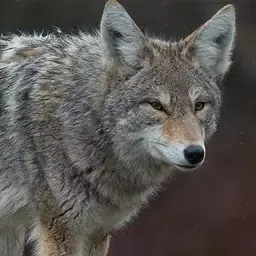
Coyote Calls: Howls & Distress
Call more predators with two sounds: howls to locate, distress to close. Rabbit distress, a proven coyote distress call, fawn bawls and challenge howls — all loop-ready in Hunting Calls Pro.
By Ferdous Mahmud Akash ·Sounds included in the app
- Lone howl — locator for dawn and dusk
- Challenge howl — territorial sound for winter pairs
- Rabbit distress — year-round killer for coyote, fox, bobcat
- Fawn bawl — fawn distress for summer predators
15-minute stand that works
- Set up crosswind, sun at your back, phone downwind 20 yards.
- 2–3 lone howls. Wait 3 minutes silent.
- Loop rabbit distress 10 minutes, low-medium volume.
- End with 2 minutes of frantic distress, then pick up and move.
Night hunting: where e-calls dominate
Most pressured coyotes go nocturnal — and night is where an electronic call earns its keep. Set the speaker 20 yards upwind, loop rabbit distress at one-third volume, and scan continuously with red light: eyes shine long before bodies appear. Call 10-minute blocks with 3-minute silences; circling coyotes often slip in during the quiet. Keep shots inside 150 yards under lights, know your backstop in the dark, and check night-hunting and light regulations for your state before you go. Rotate sound types across nights on the same property — coyotes pattern a single distress fast, so alternate rabbit, bird and fawn sounds to keep stands fresh.
Coyote sounds at night, decoded
Deep dive: coyote sounds at night — every howl, yip and kill sound explained.
Night turns coyotes vocal: group yip-howls after a kill, lone howls rolling across cold air, and sudden silence when something has them nervous. Hunt the vocal peaks — the first two hours after dark and the hour before dawn. Coyote howling at night is social roll call, not hunger, so answer sound with food: open with a single locator howl, then run rabbit distress once they answer. A coyote sound when killing — frantic yips over prey screams — tells you a pack is fired up and callable right now.
Coyote howler or electronic call?
A coyote howler is a mouth-blown reed for tunable, long-range howls — ideal for locating and for areas where electronics are restricted. Electronic predator calls win on volume, sound variety and hands-free looping with the speaker placed away from you. Run both: howler around your neck for locating, app or e-call on a Bluetooth speaker for the killing sequence. Full comparison: best coyote calls ranked.
Why do coyotes howl at night?
To regroup the pack, defend territory and announce kills. Calm, cold nights carry howls for miles — locate with one howl, then hunt the answer with distress.
Coyote calling and hunting — how do they fit together?
Calling is the locating half, hunting is the setup half: crosswind stands, visible downwind lanes, 15–20 minute sequences of distress with silences. Sound finds them; setup kills them.
Best coyote call?
Rabbit distress. Simple, works everywhere, fools fox and bobcats too.
Howl or distress?
Howl to find them, distress to bring them to the gun.
How long to sit?
15–20 minutes. If nothing shows, move half a mile and call again.