
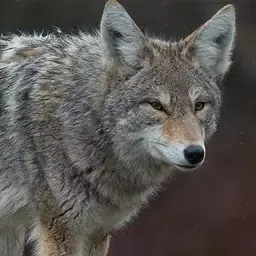
Coyote Calls Guide
Coyote Howl Calls: The Locator Howl That Pulls Answers
Every coyote within a mile hears a good locator howl — and most of them answer it. That single reply tells you everything a blind setup cannot: where the dogs are, how many run together, and whether they are bold enough to come. Fall is the best season to learn it. Young-of-the-year coyotes are dispersing, pairs are sorting out territory, and cool, still evenings carry sound for miles across cut corn, pasture and farm country from Texas brush up into Ontario and Québec. Here is what each howl means, how to blow a clean locator and a challenge on a mouth call, how to read the answer, and the simple howl-then-distress sequence that turns a located coyote into a called coyote.
By Ferdous Mahmud Akash ·Howls in the app
- Lonesome locator howl — long rising wail that asks where every coyote is
- Challenge howl — shorter, harder howl that dares a territorial dog to answer
- Group yips and yaps — excited chorus that sounds like a family on a kill
- Howl into rabbit distress — locator first, then the hurt-rabbit finish
What each howl tells a coyote
A howl is a question, and the shape of it decides who answers. The lonesome locator — a slow rise, a long hold, a dying fall — says one dog is out here alone, and it pulls replies from pairs, family groups and curious dispersers that cannot stand an unanswered neighbor. The challenge howl is the opposite message: shorter, louder, edged with barks, the sound of a dog standing its ground, and it provokes territorial males that might ignore anything else. A burst of group yips reads as celebration, which drags in loners hoping to share. Learn to tell barks, yips and lone wails apart in our coyote night sounds guide — and start from the calling foundations in coyote calls.
How to blow locator and challenge howls
Forget fancy gear: a cheap open-reed howler and your diaphragm do it all. Cup the call, start low in your chest voice, slide upward for two seconds, hold the peak a beat, then let the note fall away like a sigh — ooooo-WHOOOOO-oooo. The locator stays smooth and mournful, ten seconds nose to tail; the challenge clips the same shape shorter and harder, with two sharp barks on the front. Never blow at full volume into a small field — start at half voice, because you can always howl louder and never un-ring a blast. Loop both howls in Hunting Calls Pro until the rise-hold-fall shape lives in muscle memory.
- Start at half voice: open with one soft locator — a close coyote hears a whisper half a mile out.
- Ride a crosswind: set with the wind across your face so answers carry back and your scent misses the approach.
- Wait a full ten minutes: silent dogs still hear you; answering howls often come 5 to 8 minutes after you stop.
- One answer is enough: a located coyote is a found coyote — move closer or switch sounds instead of howling again.
Full howl-then-distress drill
At last light, throw two lonesome locators three minutes apart, then go totally silent for ten. An answer fixes the pack’s position — slip 200 to 300 yards closer and open with rabbit distress for two straight minutes. No answer anywhere means empty ground or educated dogs: move half a mile and howl once more before dark. The distress finish is covered step by step in best coyote calls.
When to howl — and when to switch to distress
Howl on calm, cool evenings when sound runs for miles — October dispersers and November pairs answer freely, while midday wind and crunching frost kill the tactic. Challenge howls belong only where coyotes run thick; on pressured ground a challenge warns more dogs than it provokes, and a soft locator followed by distress kills more of them. If a coyote barks a rapid alarm back instead of howling, you are made — sit tight, go silent for fifteen minutes, and finish with faint pup whimpers rather than another howl. Remember that silence after the answer is itself a tactic: let curiosity walk the dog into range.
Fall seasons and legal calling
Fall is prime coyote time across most of the US and southern Canada, with northern seasons and year-round nuisance frameworks overlapping the dispersal — but dates, night-hunting rules and electronic-caller laws change at every state and provincial line. Michigan’s nuisance coyote FAQ lists the use of calls among legal methods, a good example of how states frame it. Check your own state’s season plus Ontario or Québec regs if you hunt north of the border, and always hunt with permission inside legal hours.
What is a locator howl in coyote hunting?
The locator howl is a long, smooth, rising-and-falling wail — ooooo-WHOOOOO-oooo, about ten seconds — blown to make unseen coyotes answer and give away their position. Unlike distress sounds, which invite coyotes to come eat, the locator only asks where they are; the answer, not the approach, is the whole point.
How do you make a lonesome howl on a mouth call?
Start low in your chest voice, slide up for two seconds, hold the peak note a beat, then let it fall away like a sigh. Keep it smooth and mournful at half volume — most beginners blow too hard and too short. Practice against the howls in the app until the rise-hold-fall shape feels automatic.
What should I do when a coyote answers my howl?
First, mark the direction and stop howling — the dog is located, and more howling only warns it. Slip 200 to 300 yards closer if the cover allows, then switch to rabbit distress for two straight minutes. If the answer was a rapid alarm-bark instead of a howl, sit silent for fifteen minutes before playing faint pup sounds.
Does howling work for coyotes in Canada too?
Yes — fall dispersal runs the same in Ontario and Québec farm country as it does south of the border, and calm October evenings carry howls for miles over cut fields. You are dealing with provincial rules rather than state ones, so confirm season dates and night-hunting restrictions for the province you hunt, and get landowner permission everywhere.
Should beginners learn to howl before distress sounds?
Learn both together, but practice the locator first — one clean howl that pulls an answer teaches you more about local coyotes than a month of blind distress stands. Start at half volume on calm evenings, keep a log of every answer, and build calling foundations with our <a href="beginners-guide.html">beginners guide</a>.