
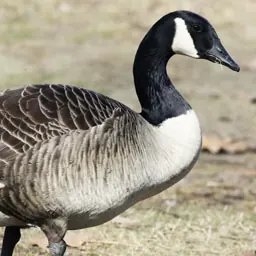
Goose Calls Guide
Goose Calls: Honks & Clucks
Big birds, simple language. Greeting honks to get attention, clucks and moans to finish — with field-ready audio in Hunting Calls Pro.
By Ferdous Mahmud Akash ·Sounds included in the app
- Greeting honk — loud 2-note call for traffic birds
- Laydown — relaxed feeding sequence
- Cluck & moan — finishing sounds over decoys
Field tactics
- Traffic: loud greeting + flag until they turn.
- Committed: soft clucks only. Let decoys work.
- Wind: geese land into wind — set blinds upwind, call loud.
Read wind and weather before you call
Geese land into the wind, so strong wind means loud, aggressive calling and high-visibility flagging — birds fight the gusts and need convincing. On bluebird calm mornings do the opposite: soft clucks, no flag, let the spread work. Overcast low-pressure days keep birds flying all morning; bright high-pressure days push one early flight, then silence. Match your volume to the day and you will finish twice the birds with half the calling. Decoy count follows the same rule: big traffic spreads on wind, small family groups of six to twelve on calm mornings over water. Scout the evening feed before you hunt the morning: watch exactly which field corner birds pile into, get permission there, and be set a full hour before shooting light — the flock you patterned is the flock you kill.
Best beginner goose call?
Honk-cluck combo. Easy rhythm, finishes birds to 40 yards.
When to flag?
Distant birds only. Flag down when they lock wings.
Why do geese flare?
Too much volume on calm days. Soften calls as they close.